

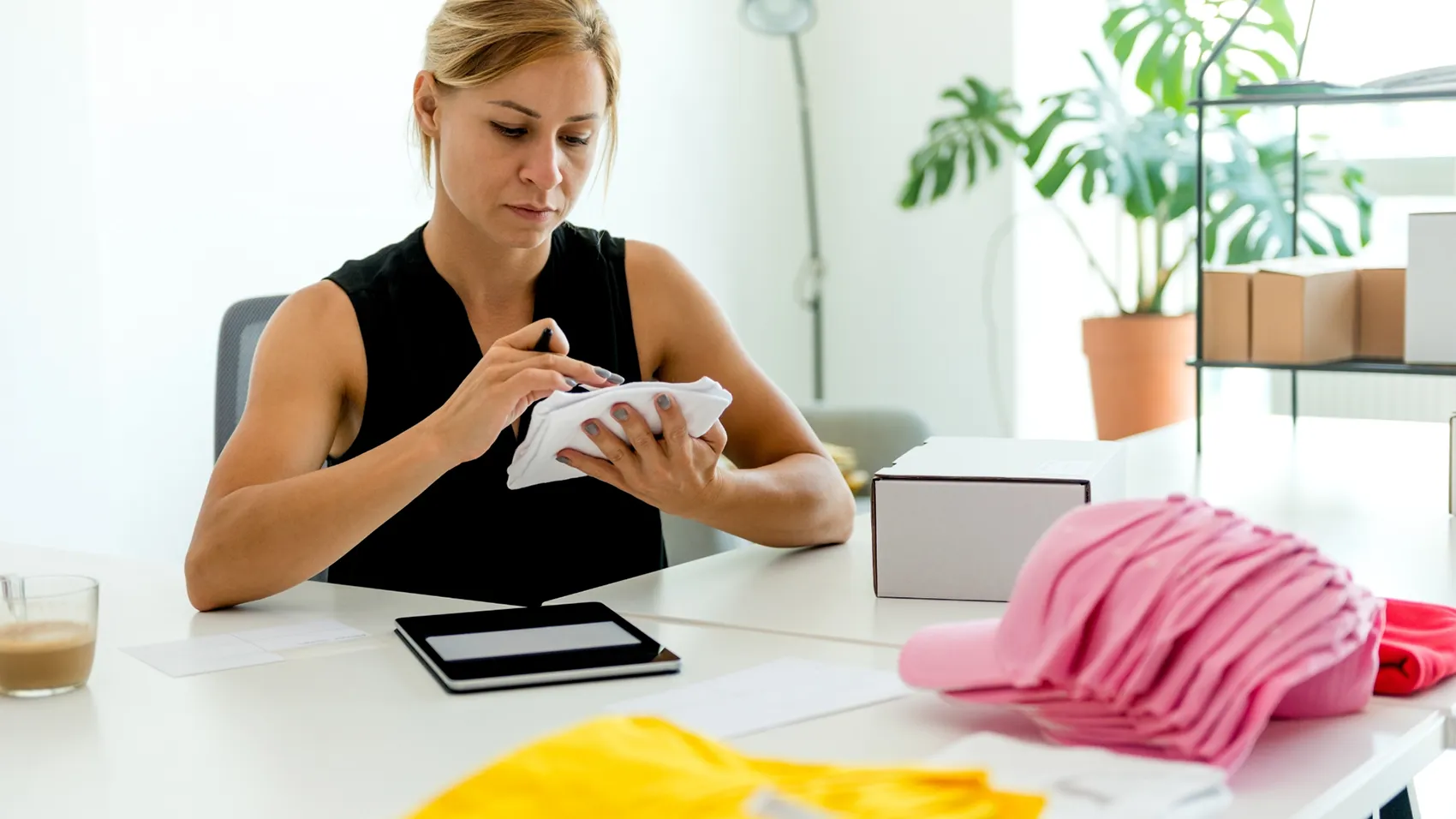
Promotional products work best when they serve a clear purpose and provide genuine value to the recipient.
Start by defining your campaign goal. Choose a product that suits your audience, brand and distribution method. Use quality design and subtle branding. Add QR codes, campaign URLs or unique offer codes to measure results.
Useful products often create the strongest impact. Drink bottles, tote bags, notebooks, apparel, technology accessories and practical event products can keep your brand visible long after the campaign ends.
Promotional products should not be treated as random giveaways. They should form part of a broader marketing campaign.
What are promotional products?
Promotional products are physical items that display a business name, logo, message or campaign design.
Businesses use promotional products to increase brand awareness, generate leads, thank customers, support events and engage employees.
Common promotional products include:
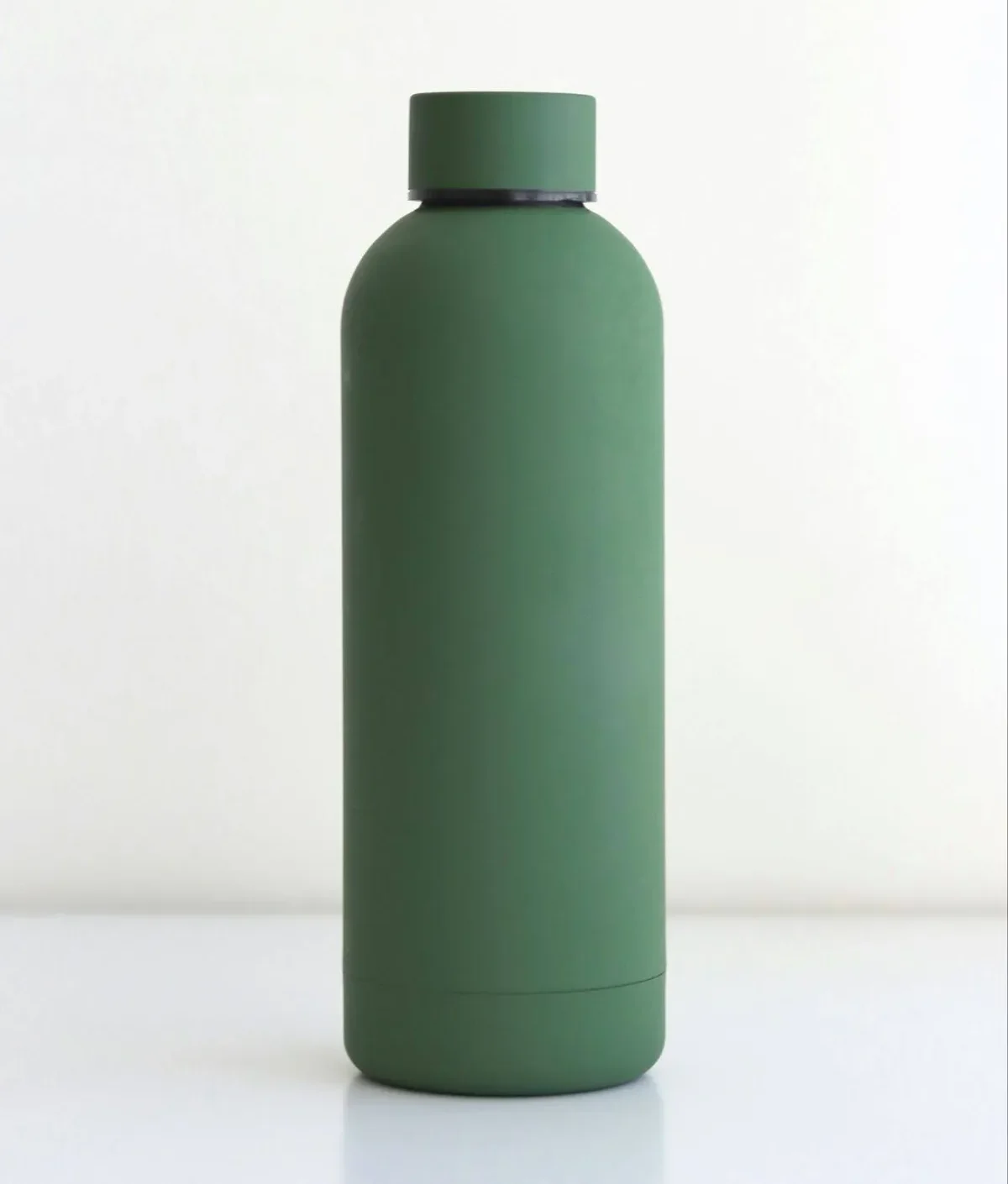
- Branded drink bottles
- Tote bags
- Pens and notebooks
- T-shirts, polos and caps
- Umbrellas
- Technology accessories
- Corporate gift packs
- Event merchandise
- Branded packaging
- Reusable coffee cups
EPM Print Group supplies customised promotional products for corporate gifting, conferences, events, retail promotions and branded campaigns. These products can be tailored to suit a specific audience, occasion and brand identity.
How do you use promotional products effectively?
You use promotional products effectively by connecting the product to a specific audience, goal and next action.
A promotional item should answer three questions:
- Who will receive it?
- Why will they keep it?
- What should they do next?
A drink bottle may support a workplace wellness campaign. A branded tote bag may help visitors carry materials at a conference. A premium notebook may thank a valuable client. A picnic rug may help a real estate agency connect with local families.
The product must make sense within the recipient’s life.
Promotional Products Association International research found that usefulness remains one of the strongest reasons people keep branded merchandise. Its 2026 research also reported that 96.1% of recipients keep the promotional products they receive, while 86.9% use them regularly or occasionally.
1. Define the goal of your promotional campaign
A clear goal should guide every product decision.
Do not begin by choosing the cheapest or most popular item. Begin by deciding what the campaign needs to achieve.
Common goals include:
- Building brand awareness
- Generating qualified leads
- Increasing event attendance
- Supporting a product launch
- Encouraging customer referrals
- Rewarding loyal customers
- Improving employee engagement
- Thanking clients or suppliers
- Promoting a seasonal offer
- Increasing visits to a website or location
- Turn the general goal into a measurable result.
For example, replace “increase awareness” with “generate 200 QR code visits from conference attendees”.
Replace “thank our customers” with “increase repeat orders from gift recipients over the next three months”.
A defined goal makes it easier to select the right product and measure its performance.
2. Choose a promotional product your audience will use
The best promotional product is useful, relevant and appropriate for the recipient.
Think about the person before you think about the product.
Consider their:
- Age and profession
- Daily routine
- Interests
- Location
- Work environment
- Purchasing behaviour
- Values
- Relationship with your organisation
A construction company could give clients a durable tape measure, insulated drink bottle or vehicle accessory.
A professional services firm could create a premium notebook, pen and document wallet set.
A gym could offer branded towels, shaker bottles or resistance bands.
A childcare centre could give families lunch bags, activity packs or reusable water bottles.
A tourism business could use luggage tags, picnic accessories, beach bags or travel organisers.
The strongest product usually solves a small problem or supports an existing habit.
PPAI research found that 75.4% of consumers who retained promotional products did so because the item was useful.
3. Match the product to the campaign
Promotional productions for brand awareness
Each product should have a clear job. Do not use the same merchandise for every audience or occasion. Choose products that recipients will use frequently and in visible locations.
Suitable ideas include:
- Tote bags
- Caps
- T-shirts
- Umbrellas
- Drink bottles
- Reusable coffee cups
- Car accessories
These products can expose the brand to the recipient and the people around them.
Promotional products for lead generation
Connect the product to a contact form, sales conversation or campaign offer.
Suitable ideas include:
- Branded event bags
- Phone stands
- Notebooks
- Charging cables
- Desk accessories
- Product sample packs
- Prize bundles
Ask visitors to scan a QR code, register for a demonstration or provide their details before receiving the item.
Promotional products for customer loyalty
Choose products that feel considered and valuable.
Suitable ideas include:
- Premium drinkware
- Gift boxes
- Branded apparel
- Travel accessories
- Picnic products
- Custom stationery sets
- Locally sourced gifts
- The quality of the product should reflect the value of the relationship.
- Promotional products for employees
- Use merchandise to strengthen belonging and recognise important milestones.
- Suitable ideas include:
- Employee onboarding kits
- Branded shirts or jackets
- Laptop bags
- Journals
- Reusable bottles
- Work-from-home packs
- Anniversary gifts
Employee merchandise should feel wearable and useful. It should not feel like excess office stock.
4. Choose Quality Over Quantity
One useful product can create more value than several disposable items.
A low-cost product is not always a cost-effective product.
A poorly made item can break quickly. It can also create a negative impression of the brand. A durable item can remain in use for months or years.
Quality affects:
- How long the product lasts
- How often the recipient uses it
- Whether it appears in public
- How the recipient perceives the brand
- Whether the recipient recommends the organisation
- Consider cost per use instead of unit price.
- A $15 item used 100 times may create more value than a $2 item used once.
PPAI’s recent consumer research found that people increasingly compare branded merchandise with products they already own or would purchase themselves. Quality, usefulness and design now play a central role in whether an item is kept.
5. Use Branding That People Want to Display
Subtle branding often increases the chance that a product will be used.
A large logo may suit an event bag or sports banner. It may not suit premium apparel, client gifts or lifestyle products.
The design should suit the product and the audience.
Consider including:
- A small embroidered logo
- A recognisable brand pattern
- A campaign message
- A useful instruction
- A short website address
- A QR code
- A campaign hashtag
- Custom packaging
- A personalised recipient name
- Keep every element clear and legible.
Do not place several competing messages on a small product. Give each item one primary message or action.
A promotional product should still look attractive when the recipient is not actively thinking about the campaign.
6. Connect Physical Products to Digital Marketing
Promotional products can connect offline interactions with measurable digital actions.
Add a clear next step to the product or its packaging.
You could direct recipients to:
- A campaign landing page
- An event registration form
- A product demonstration
- A digital catalogue
- A competition entry
- A customer survey
- A referral program
- An exclusive offer
- A social media account
- A review platform
Use a unique QR code or URL for each campaign.
Do not send every recipient to the general homepage. A dedicated landing page provides a clearer experience and makes campaign activity easier to track.
For example, a conference notebook could include a QR code for a free consultation. A customer gift could include a code for a future purchase. An event bag could link to downloadable resources from the presentation.
7. Plan How You Will Distribute the Products
The distribution strategy affects who receives the product and how they value it.
Products can be distributed through:
- Trade shows
- Conferences
- Direct mail
- Retail stores
- Customer orders
- Sales meetings
- Product launches
- Community events
- Employee onboarding
- Referral campaigns
- Social media competitions
- Sponsorship activations
Avoid placing a large box of products on an unattended table.
Create a reason for the exchange.
A sales representative could provide the item after a meaningful conversation. An online retailer could include it with orders over a certain value. An event organiser could use it as part of a registration pack.
The distribution method should support the campaign goal.
8. Give the Product a Story
A strong promotional product communicates more than a logo.
The product can represent a campaign theme, company value, local connection or customer experience.
For example:
- A reusable coffee cup can support a waste reduction campaign.
- A seed packet can support a sustainability message.
- A travel kit can support a tourism campaign.
- A picnic rug can support a family-focused property campaign.
- A high-quality journal can mark a business anniversary.
- A locally made product can highlight community partnerships.
Explain why the recipient is receiving the item.
Include a printed card, custom package or short message. This context increases the perceived value of the product.
Famous Examples of Promotional Products and Branded Content for Inspiration
Some of the world’s most recognisable branded resources began as practical promotional ideas.
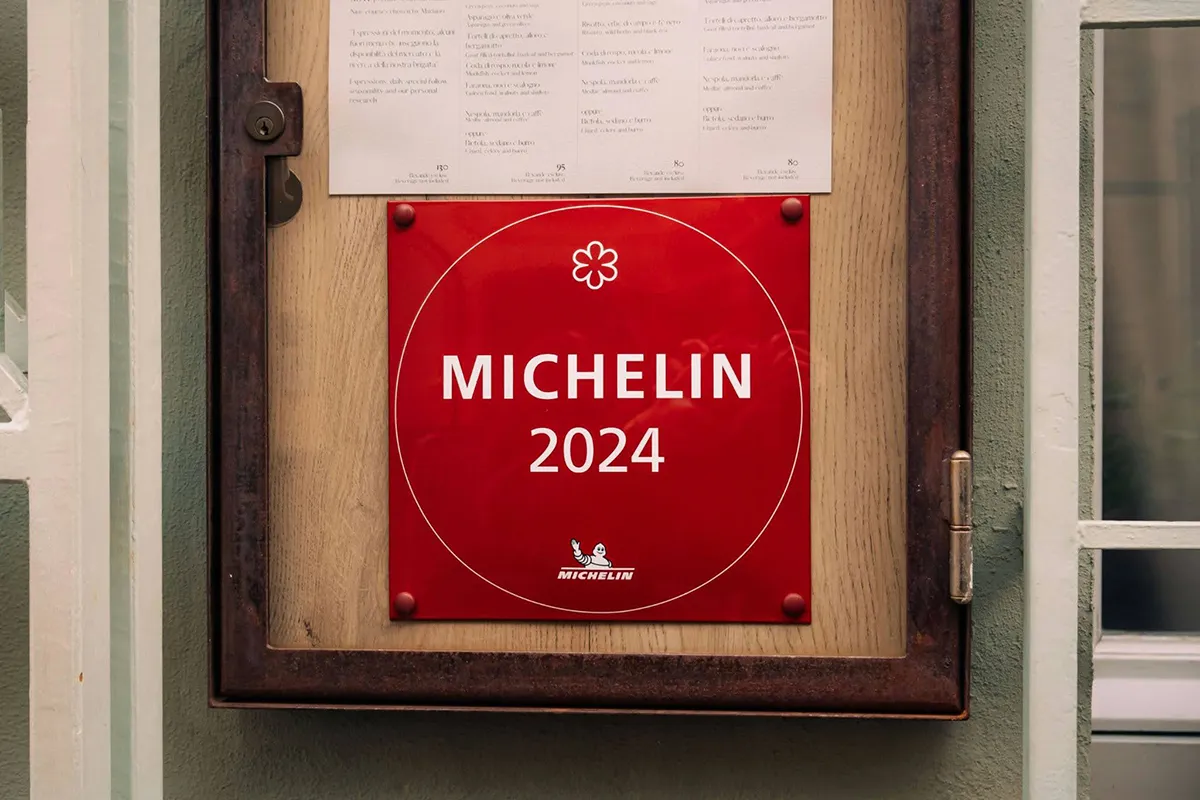
The MICHELIN Guide
The Michelin brothers created the original MICHELIN Guide to encourage motorists to travel more.
The guide included maps, tyre-changing instructions, petrol station information and places to eat or stay. More driving could increase demand for vehicles and replacement tyres.
The MICHELIN Guide became a global authority on restaurants. It began as a useful resource for Michelin’s target audience.
The lesson is simple. A promotional product becomes more valuable when it helps the audience complete a relevant task.
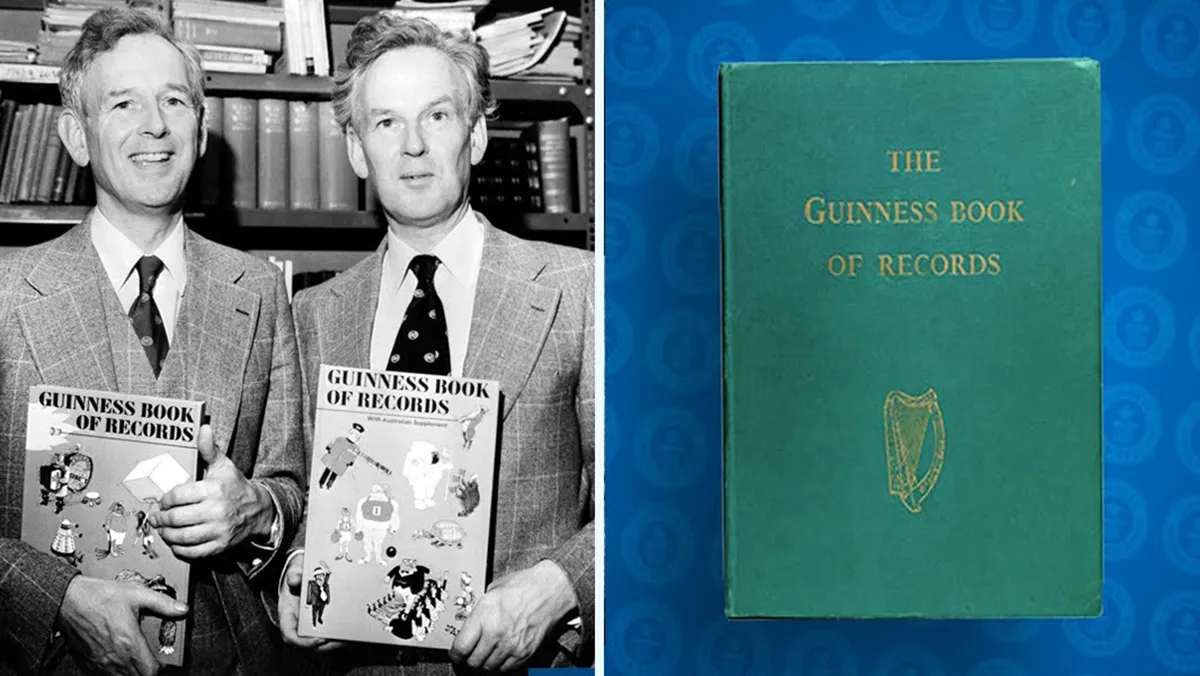
Guinness World Records
Sir Hugh Beaver, Managing Director of the Guinness Brewery, developed the idea for a book that could settle factual arguments in pubs.
The Guinness Book of Records gave pub customers an interesting and useful source of information. It also kept the Guinness name connected to social conversation.
The publication later became Guinness World Records.
The lesson is that a promotional item can become part of the audience’s culture when it creates conversation.
How Do You Measure the Success of Promotional Products?
Measure promotional products against the original campaign goal. Do not rely only on the number of items distributed.
Track metrics such as:
- QR code scans
- Landing page visits
- Offer code redemptions
- Event registrations
- Leads generated
- Sales enquiries
- New customers
- Repeat purchases
- Referral activity
- Social media mentions
- User-generated content
- Survey responses
- Customer retention
Use unique tracking tools for each campaign.
- A promotional product campaign could use:
- A dedicated QR code
- A custom landing page
- A campaign-specific discount code
- A unique phone number
- A trackable short URL
- A dedicated enquiry form
- A post-campaign survey
- CRM campaign tags
Calculate cost per lead by dividing the total campaign cost by the number of qualified leads.
- Cost per lead = total campaign cost ÷ qualified leads generated
You can also estimate cost per impression.
- Cost per impression = total campaign cost ÷ estimated product impressions
Include product costs, design, printing, packaging, freight, event fees and staff time when calculating the total investment.
Compare the results with other campaigns. This comparison helps your team improve future product selection and distribution.
Create Promotional Products With a Clear Purpose
Promotional products can keep your business visible long after an advertisement, event or sales meeting ends.
The best campaigns do not begin with a catalogue. They begin with an audience and an objective.
EPM Print Group helps Australian organisations create promotional products and branded merchandise for events, conferences, corporate gifting and retail campaigns. The EPM Print Group team can support product selection, branding, print production and national distribution.
Choose a product that your audience will value. Give it a clear role within your campaign. Measure the action it generates.
Speak with EPM Print Group about promotional products that support your next campaign.
